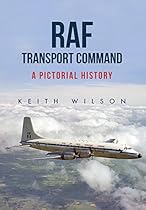
RAF Transport Command: A Pictorial History
| Author | : | |
| Rating | : | 4.79 (574 Votes) |
| Asin | : | 1445665980 |
| Format Type | : | paperback |
| Number of Pages | : | 96 Pages |
| Publish Date | : | 2013-02-24 |
| Language | : | English |

DESCRIPTION:
During this time he has amassed a photographic library of around 300,000 images. . He has photographed a very broad range of subjects, from gliders, vintage and veteran, aerobatics and general aviation right through high-altitude research aircraft, biz jets, commercial jets and military fast jets. He obtained a Private Pilots Licence back in 1981 and continu
He has worked for a number of well-known aviation companies across Europe and flying is also his hobby. About the Author Keith Wilson has been involved in aviation publishing for more than 30 years and is probably best known for his striking air-to-air images in Pilot magazine. He obtained a Private Pilots Licence back in 1981 and continues to fly at every opportunity. He has more than 1,500 air-to-air sorties under his belt, shooting almost 2,000 different aircraft in the process. He has photographed a very broad range of subjects, from gliders, vintage and veteran, aerobatics and general aviation right through high-altitude research aircraft, biz jets, comme
Transport Command’s mainstay would be the venerable Handley Page Hastings, which served through to the early 1970s. Perhaps not so well-known is its role in Operation Becher’s Brook when 430 Canadair Sabre F.1 and F.4 aircraft were ferried to the UK from Labrador via Greenland and Iceland by crews of 147 Squadron. Later the VC10 C.1 and Lockheed Hercules came into service. Later, Transport Command took over the role of dropping paratroops. When RAF Transport Command was created in March 1943, it was formed by the renaming of Ferry Command. This book covers a pictorial history of Transport Command operations from 1943 through to 1967, when RAF Transport Command was renamed Support Command. The delivery of aircraft from manufacturers to operational units had been o